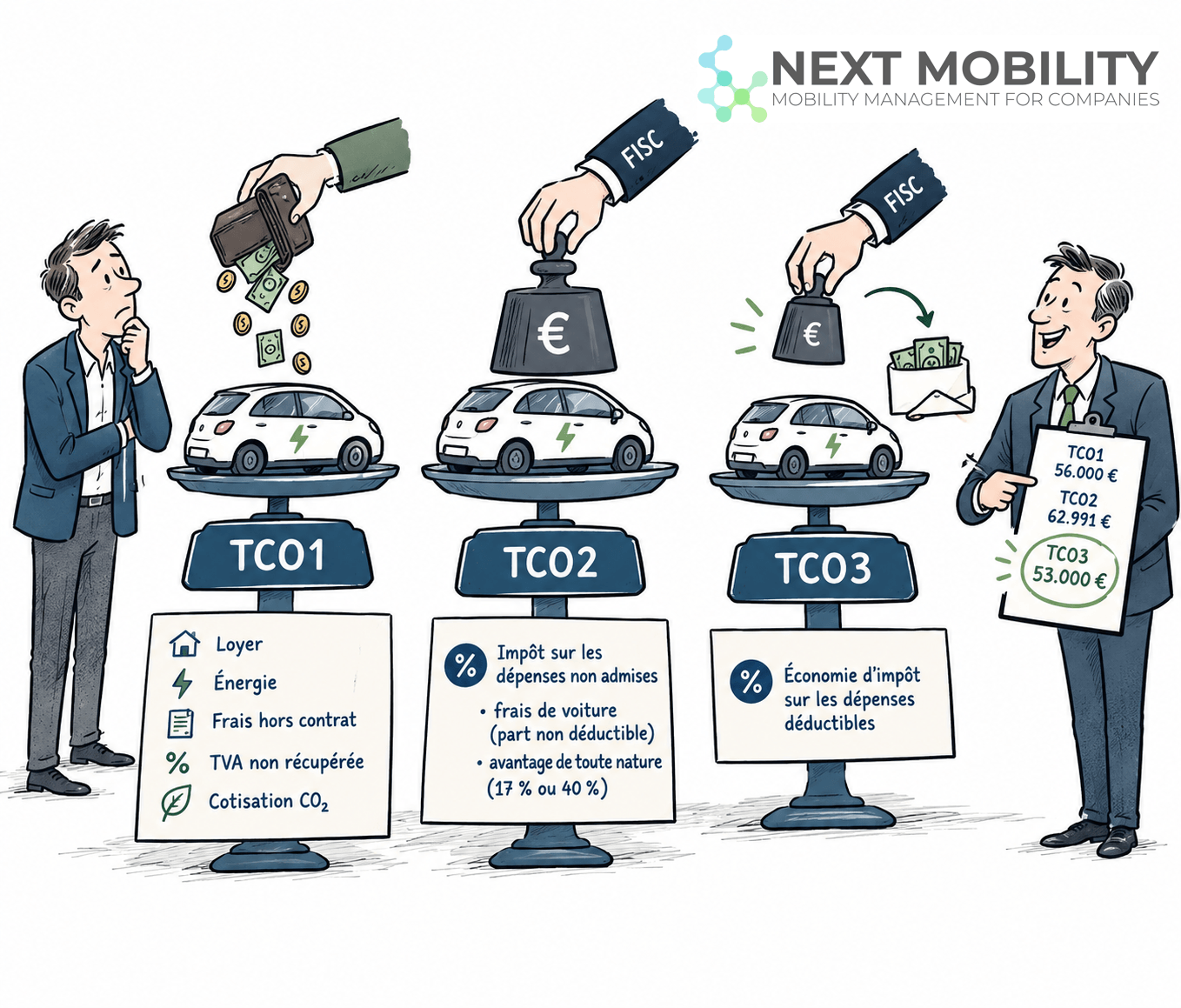
TCO1, TCO2, TCO3: which company car cost counts for the Belgian mobility budget
The TCO of a company car (total cost of ownership) is what the vehicle really costs the employer over a year: lease, energy, levies and


The TCO of a company car (total cost of ownership) is what the vehicle really costs the employer over a year: lease, energy, levies and
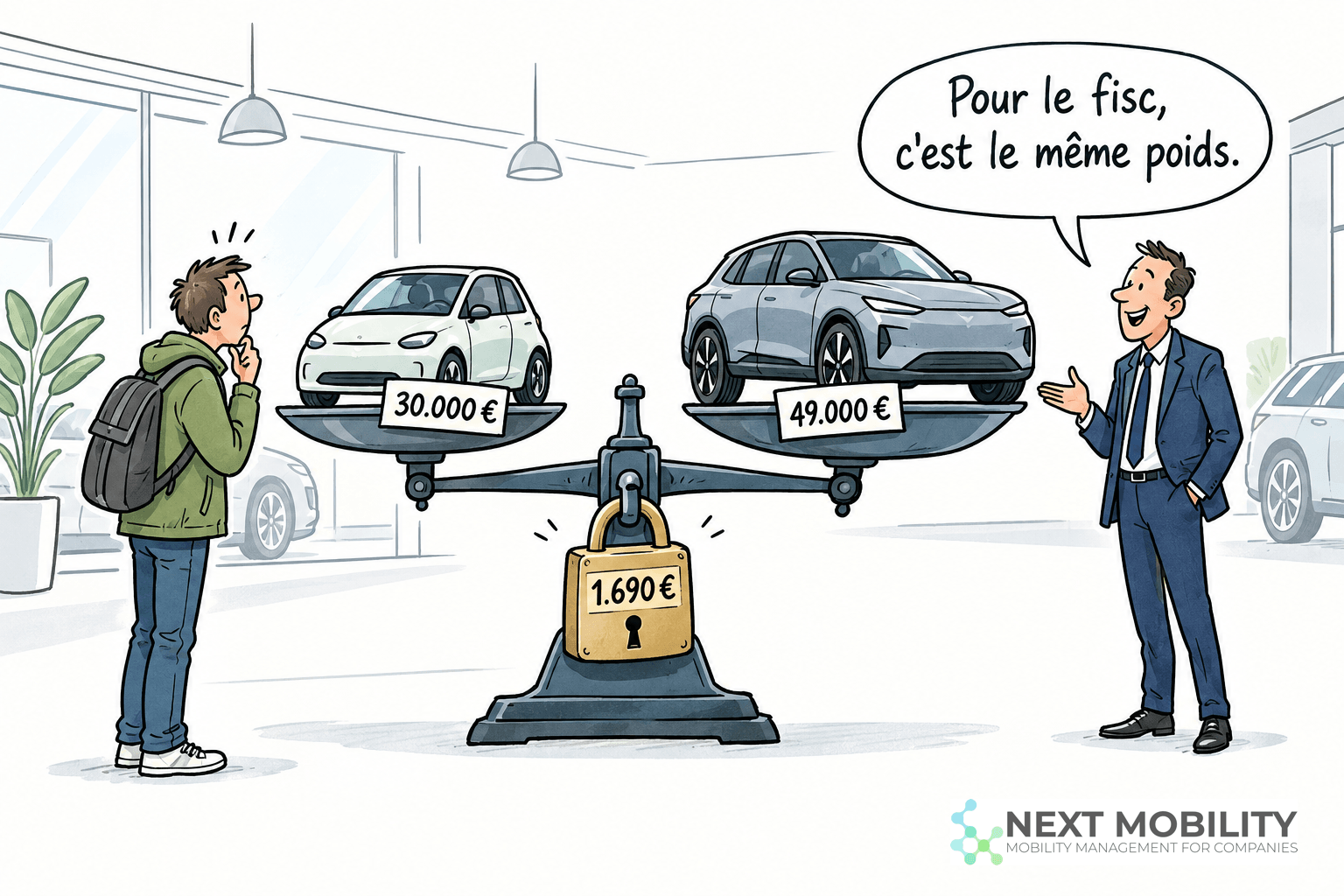
In the first quarter of 2026, 81,59 % of new company cars registered in Belgium were fully electric, compared with 10,54 % four years earlier.
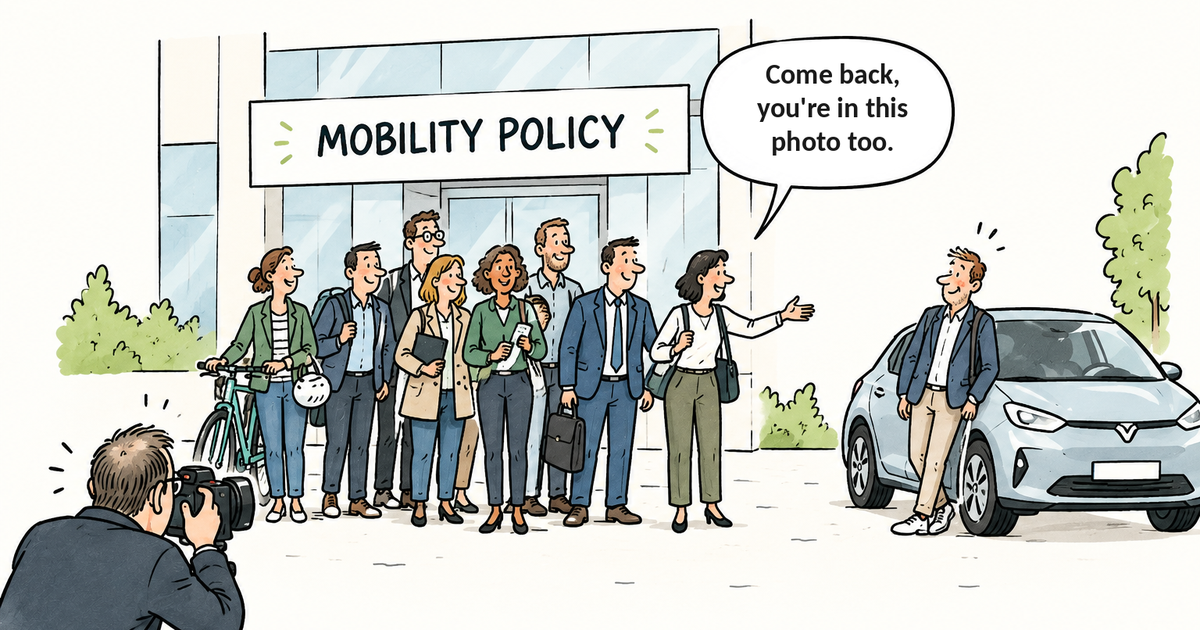
In our article on the 2027 obligation, we listed three workstreams that do not depend on the law being voted. The third one, building the
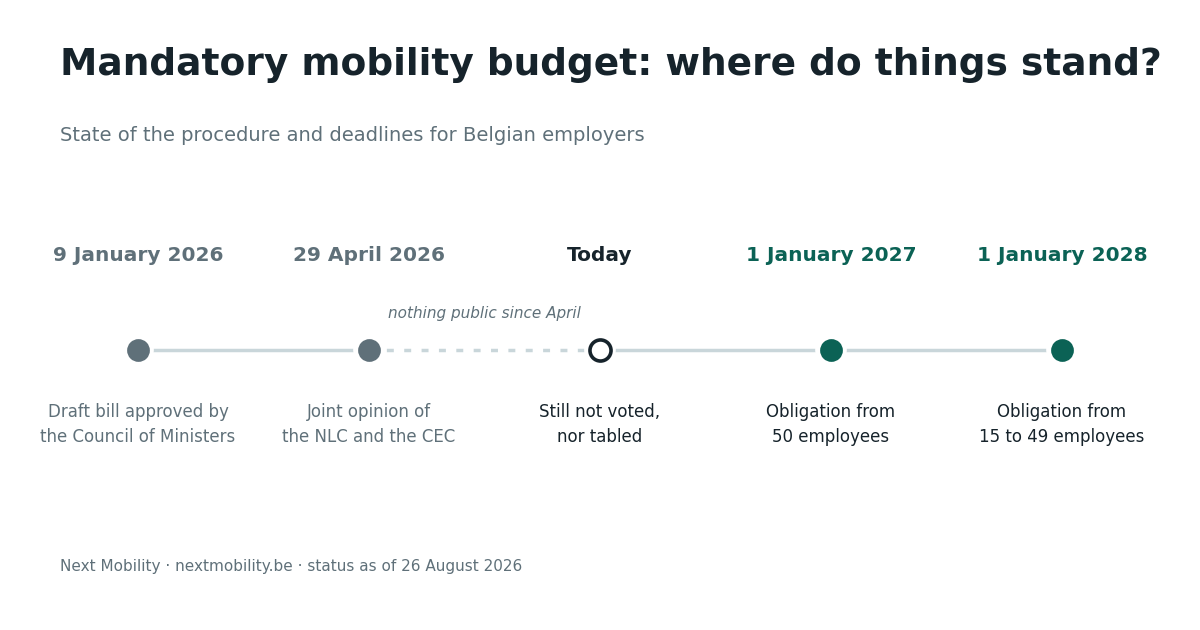
Four months remain before 1 January 2027, and the bill that is meant to make the mobility budget mandatory still has not been voted. The
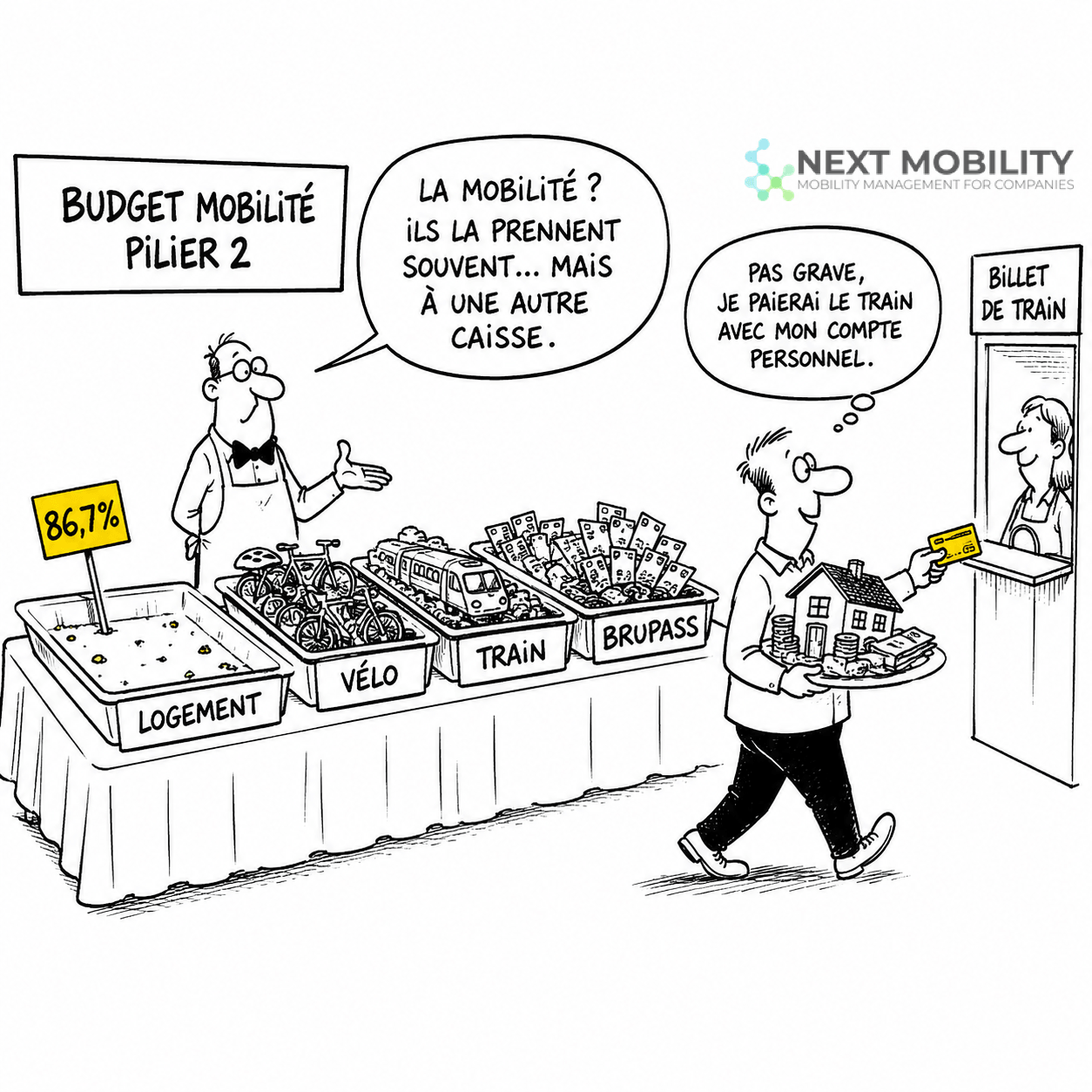
A KPMG study published this week in De Tijd puts the topic back on the table. Analysing anonymised Olympus Mobility data (302 employers, 4,389 employees),
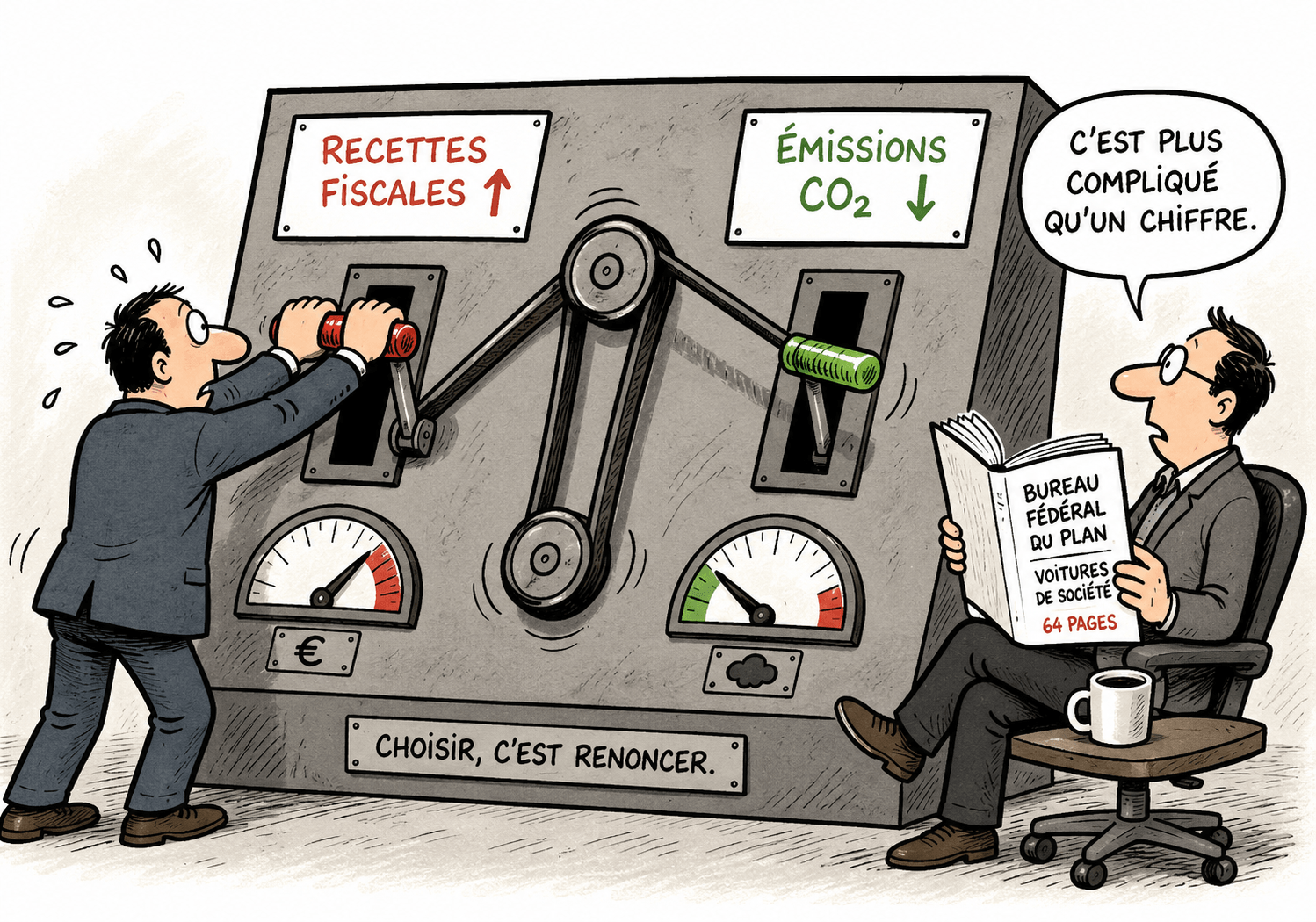
5.2 billion euros. That is the tax revenue Belgium forgoes because of company cars by 2028, according to a study by the Federal Planning Bureau
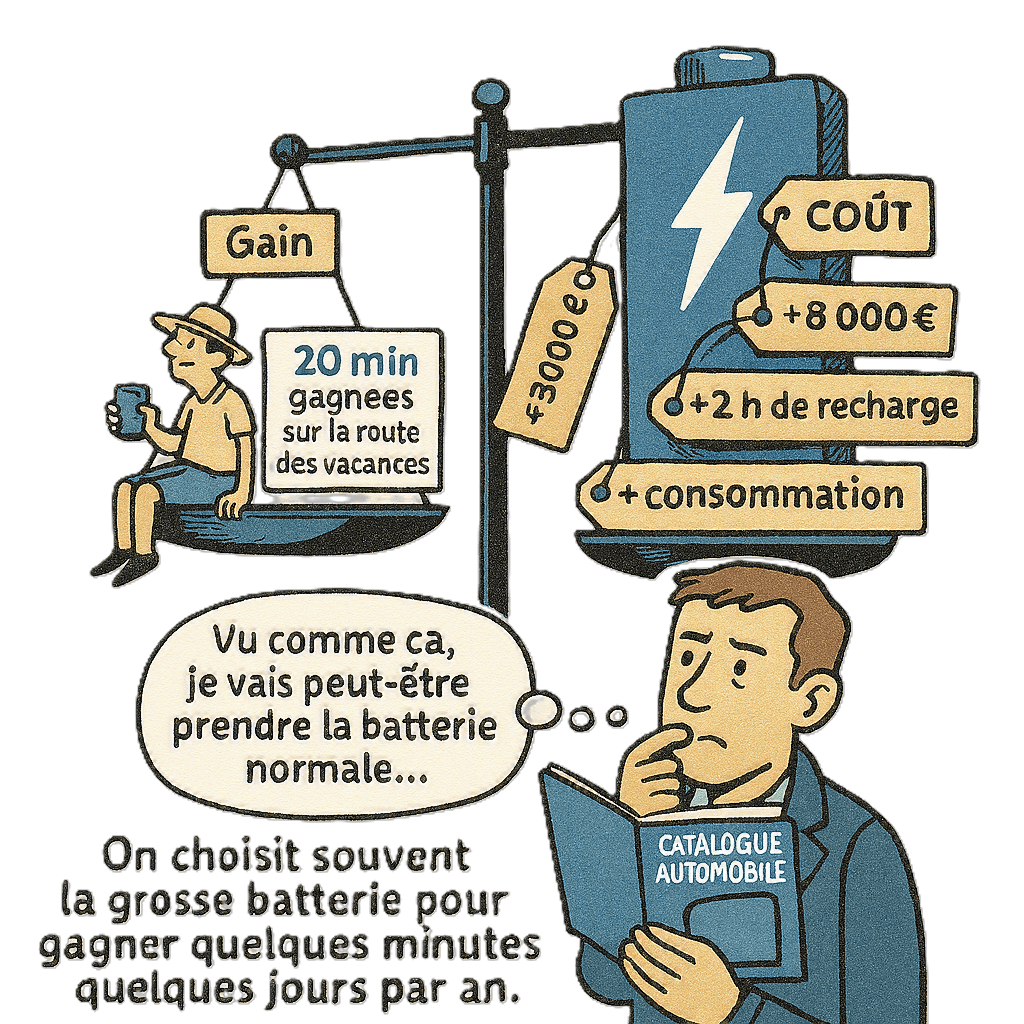
Eighteen point five kilometres. That’s the average distance between a Belgian worker and their workplace, or about 39 kilometres round trip per day. On that

Seventy-seven percent. That is the share of mobility-budget users who put part of their allowance toward housing costs — rent or mortgage repayments. The figure
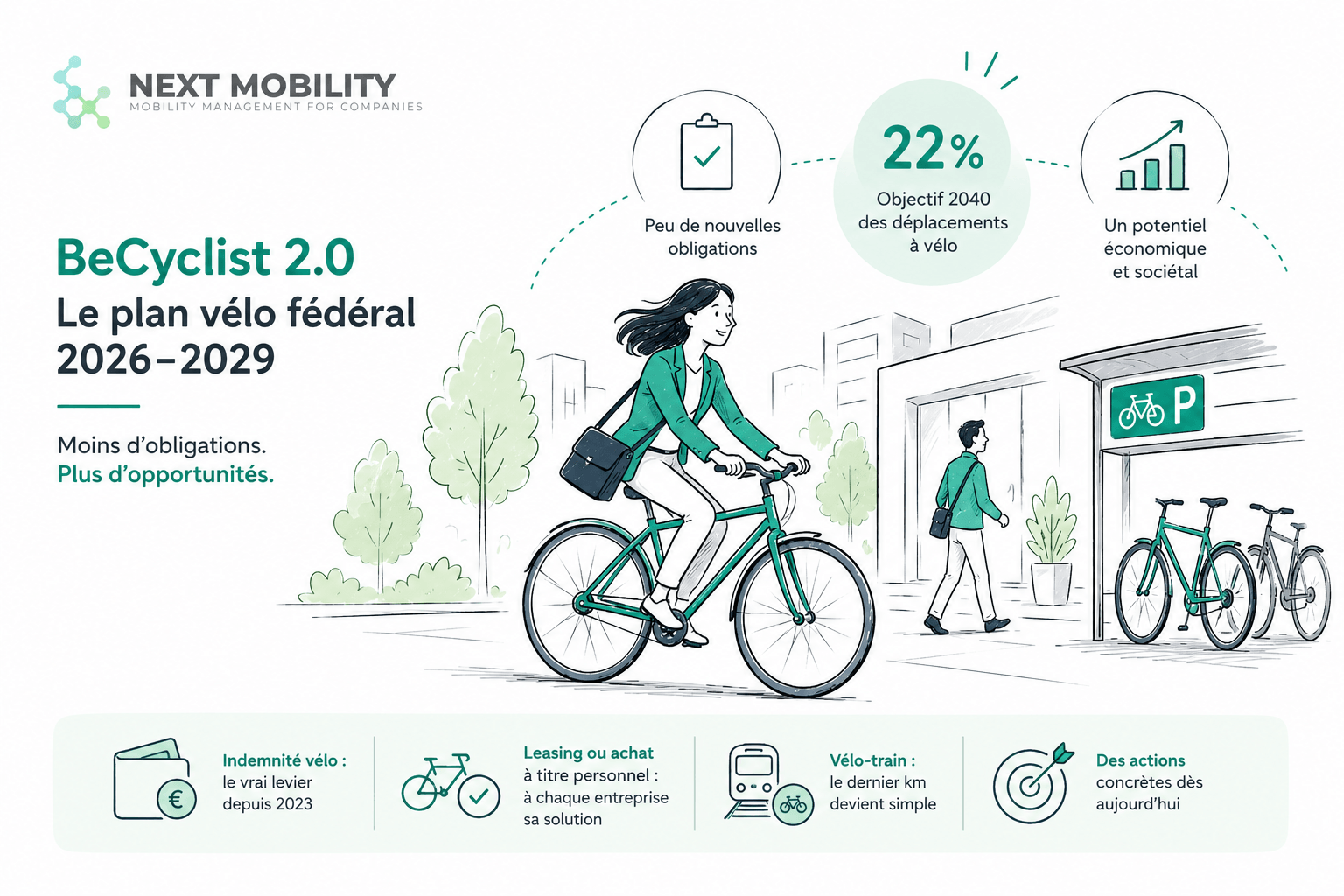
The federal government has approved the “Be Cyclist 2.0” plan, led by Mobility Minister Jean-Luc Crucke. Adopted by the Council of Ministers on 22 May
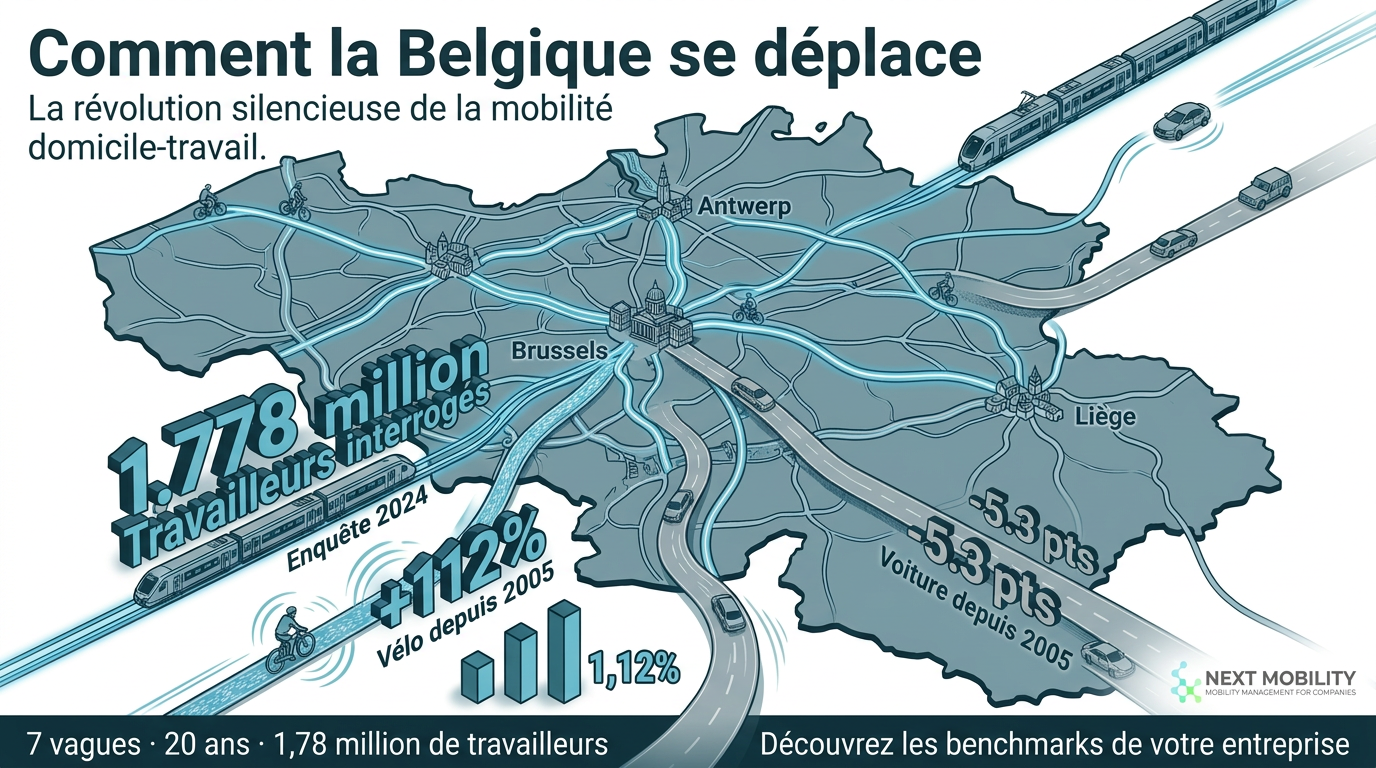
Since 2005, Belgium has been systematically measuring how its workers travel to and from work. Seven survey waves. 1.78 million workers surveyed in 2024. Data