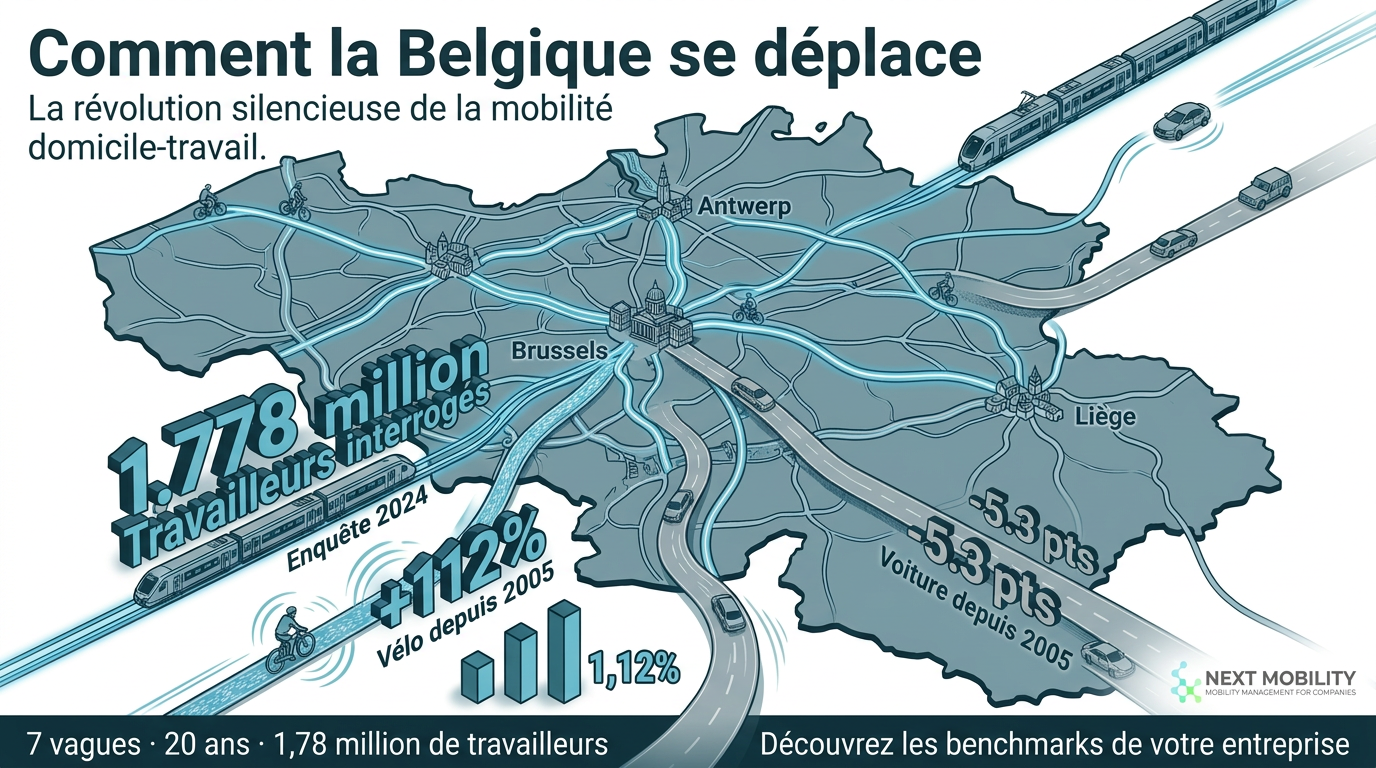
Home-to-work travel in Belgium: 20 years of data, one interactive analysis
Since 2005, Belgium has been systematically measuring how its workers travel to and from work. Seven survey waves. 1.78 million workers surveyed in 2024. Data


Since 2005, Belgium has been systematically measuring how its workers travel to and from work. Seven survey waves. 1.78 million workers surveyed in 2024. Data

The Brussels LEZ is not just banning old diesels. It’s changing how people get to work. A Belgian academic study has just measured this with
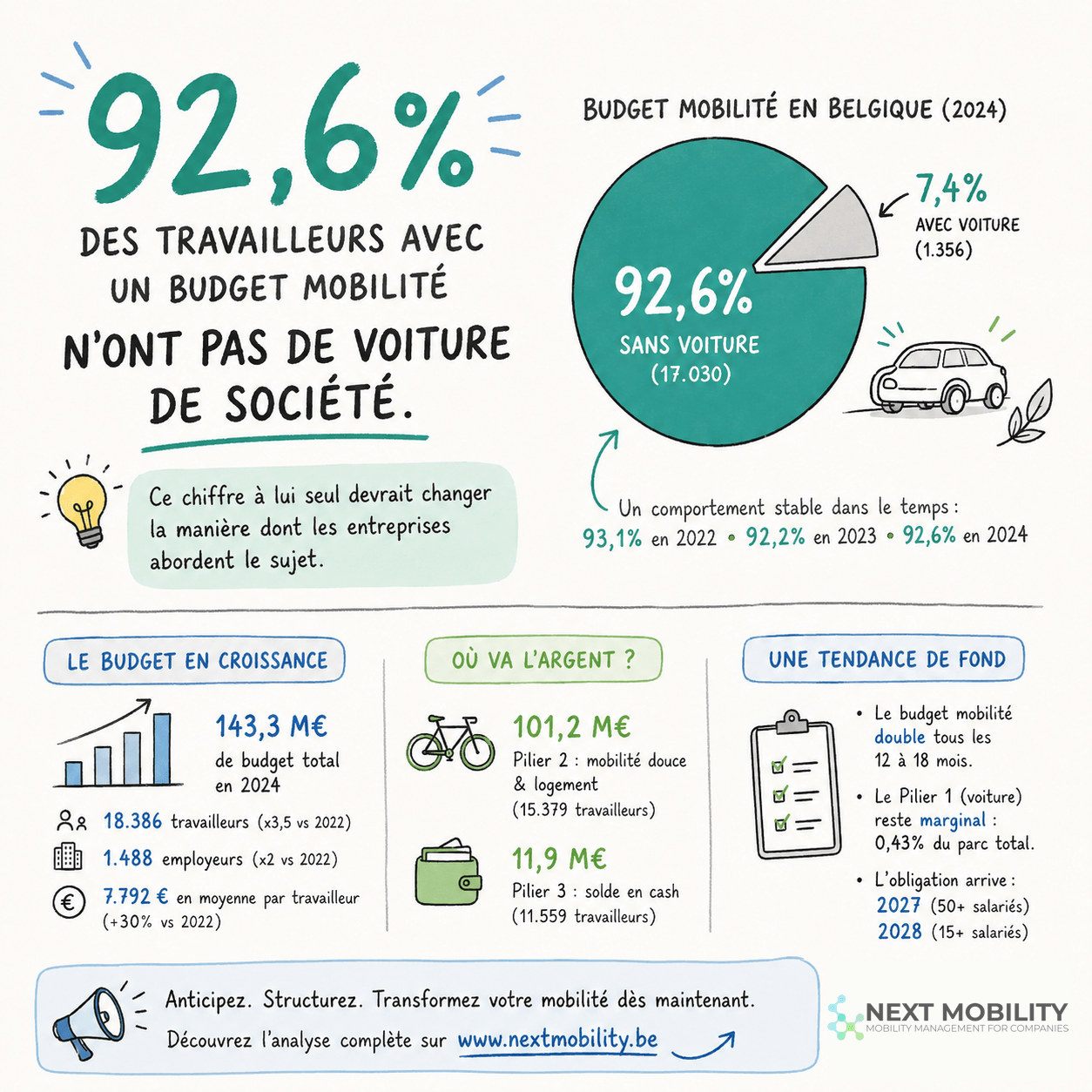
92.6% of workers with a mobility budget do not have a company car. This figure alone should change how businesses approach the topic. Here is
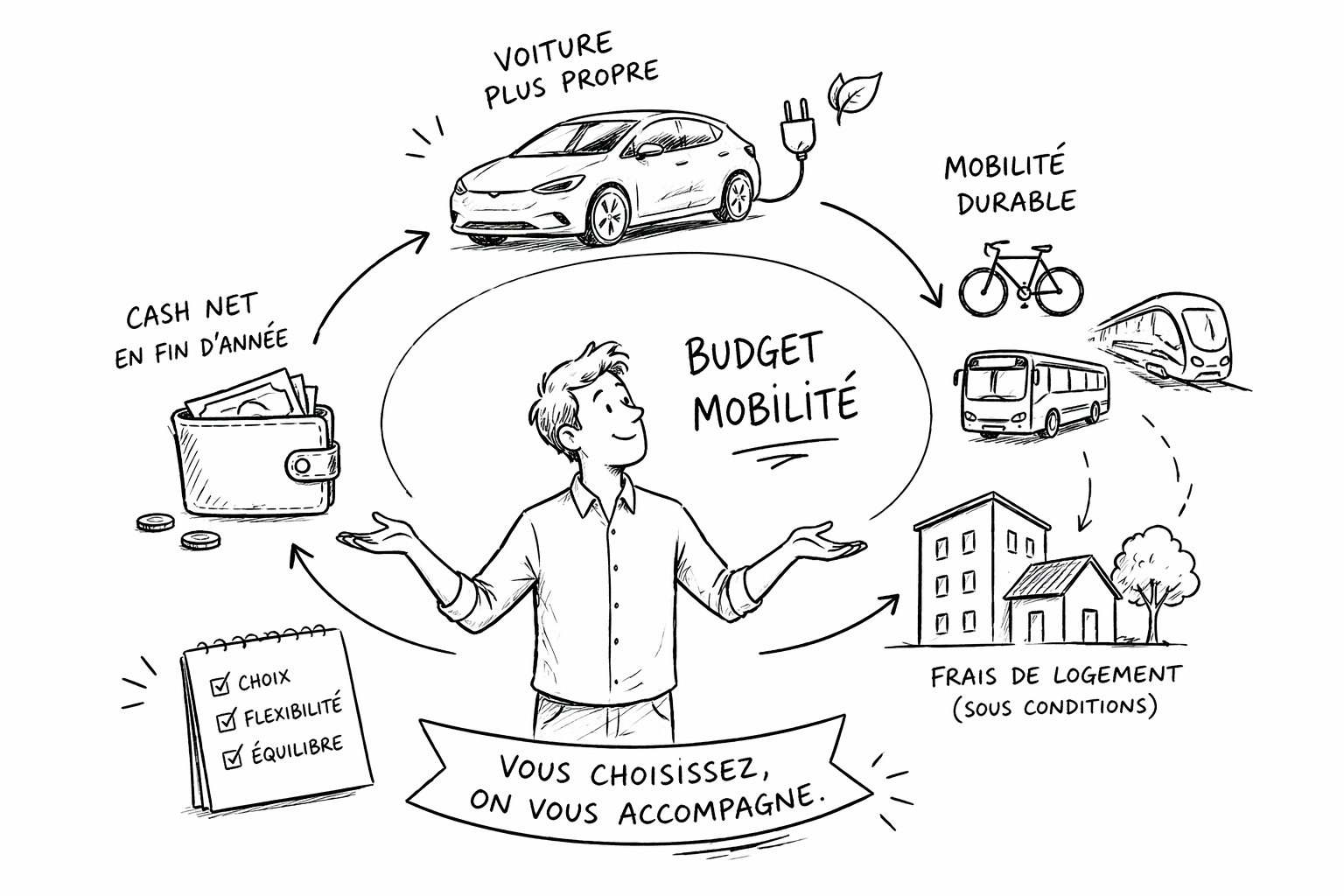
Author: Nicolas Verstraete ~2,300 words · 11-12 min read Why this FAQ The official website lebudgetmobilite.be is invaluable. It brings together nearly 150 question-and-answer pairs
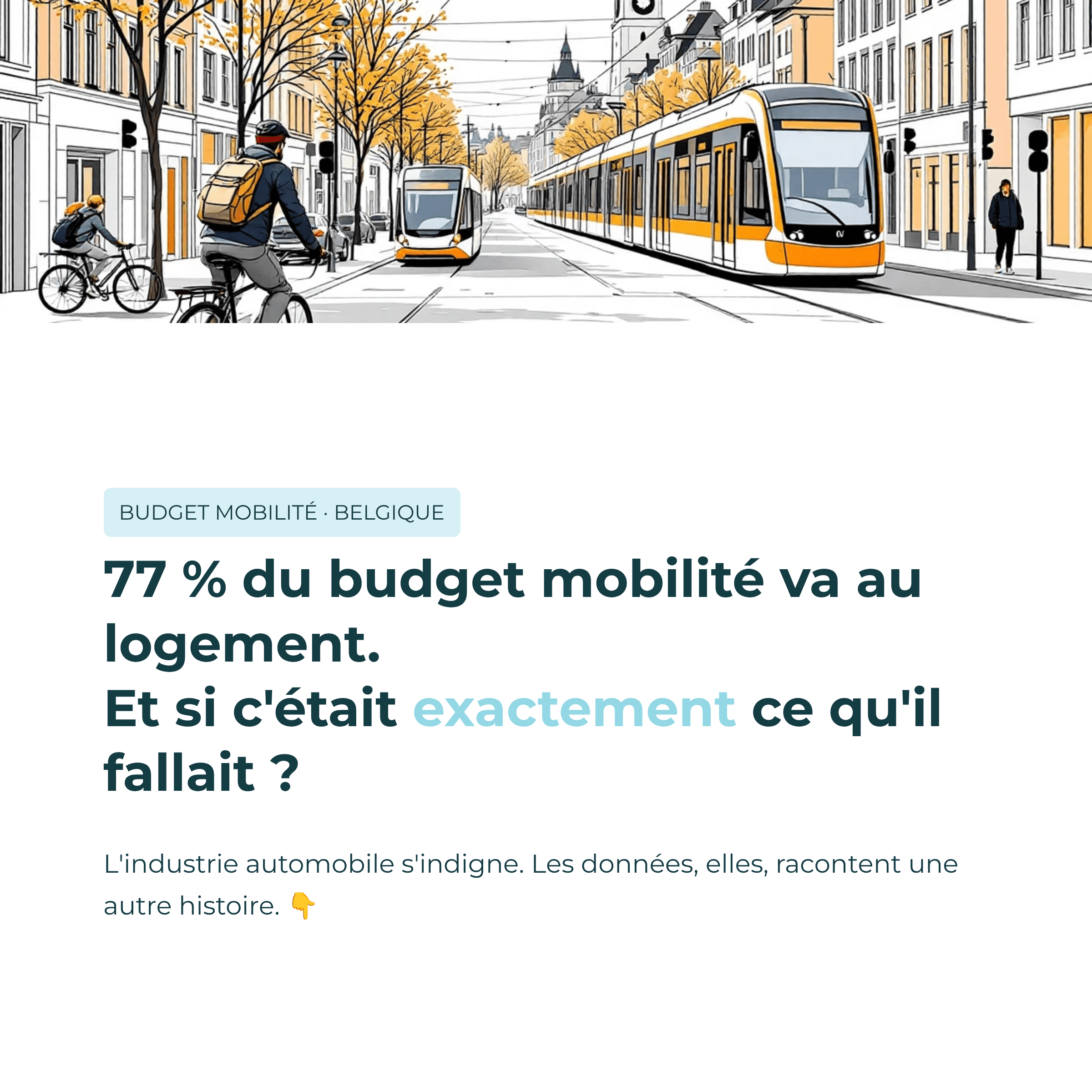
A clarification before we begin: I’m not anti-car. Cars have a role to play, and in many cases they remain the only realistic option. What
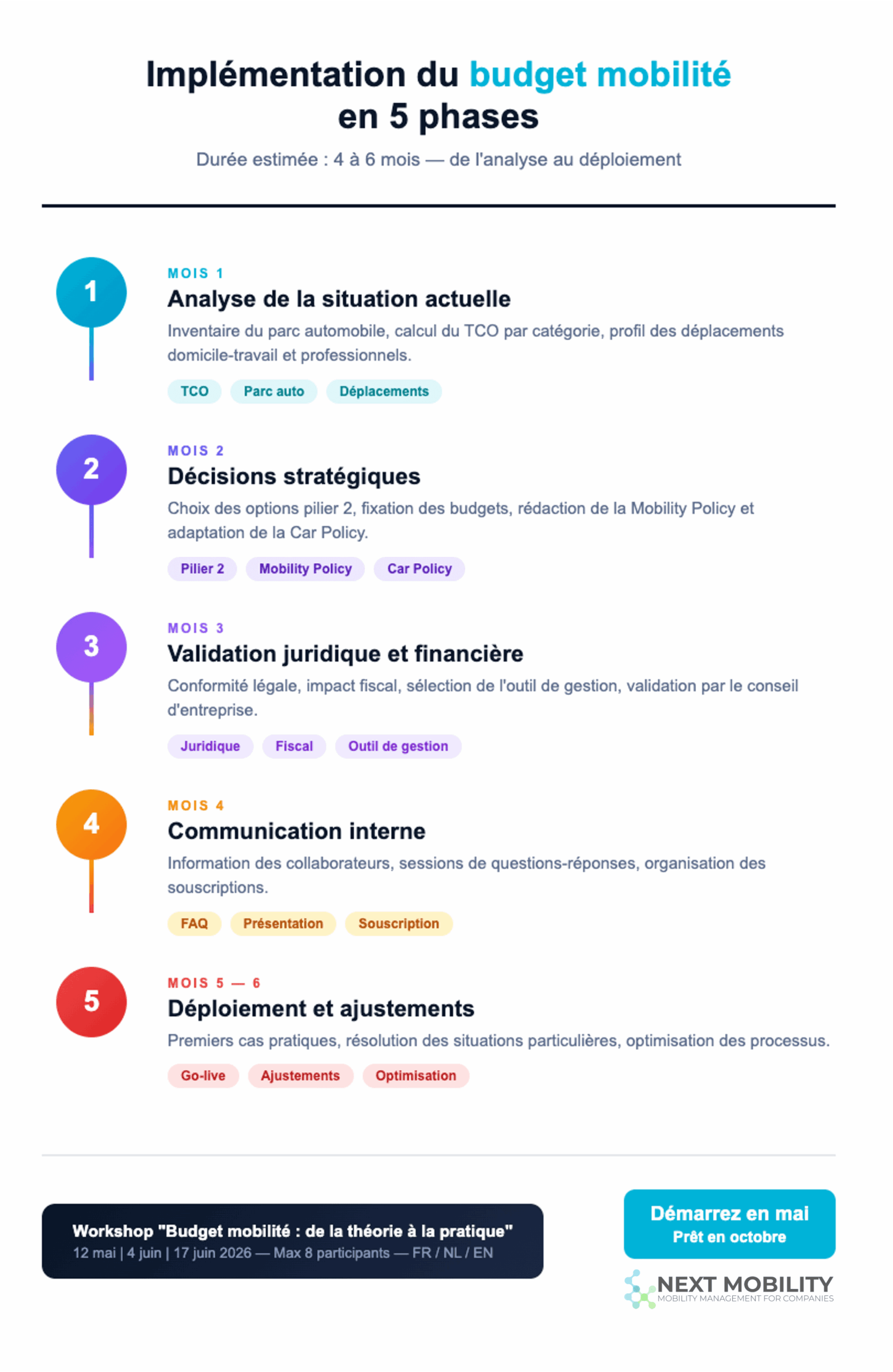
January 2027 is nine months away. By that date, every Belgian company with 50 or more employees that offers company cars will be required to

Not a training course. An implementation workshop. You build your Mobility Policy, your Car Policy and your checklist during the day — tailored to your
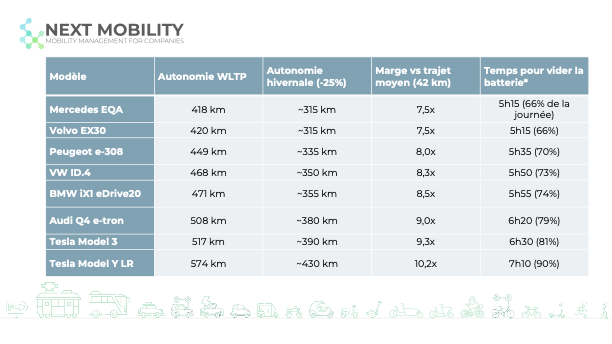
“I can’t switch to electric.” That’s the phrase I hear most often in workshops with fleet managers and HR directors. Not as a question. As

Belgium’s mobility budget becomes mandatory in 2027 for companies with 50+ employees, and in 2028 for those with 15-50 employees. The theory is well known.
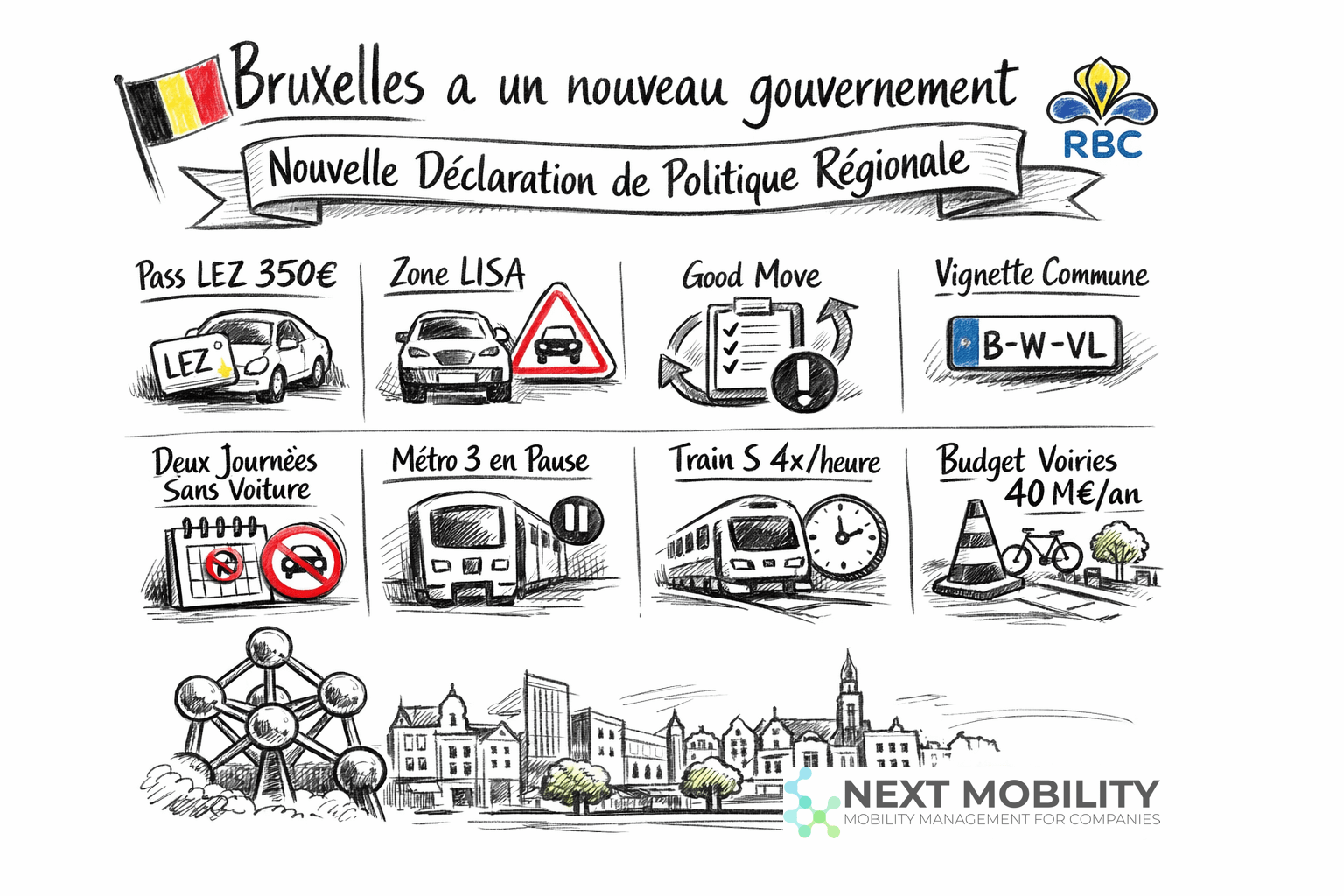
The regional policy declaration of Brussels’ new government came out last week. Twenty-four pages that outline Brussels policy for the next five years. I’ve reviewed